
What Brooklyn Homeowners Should Know When Spring Arrives
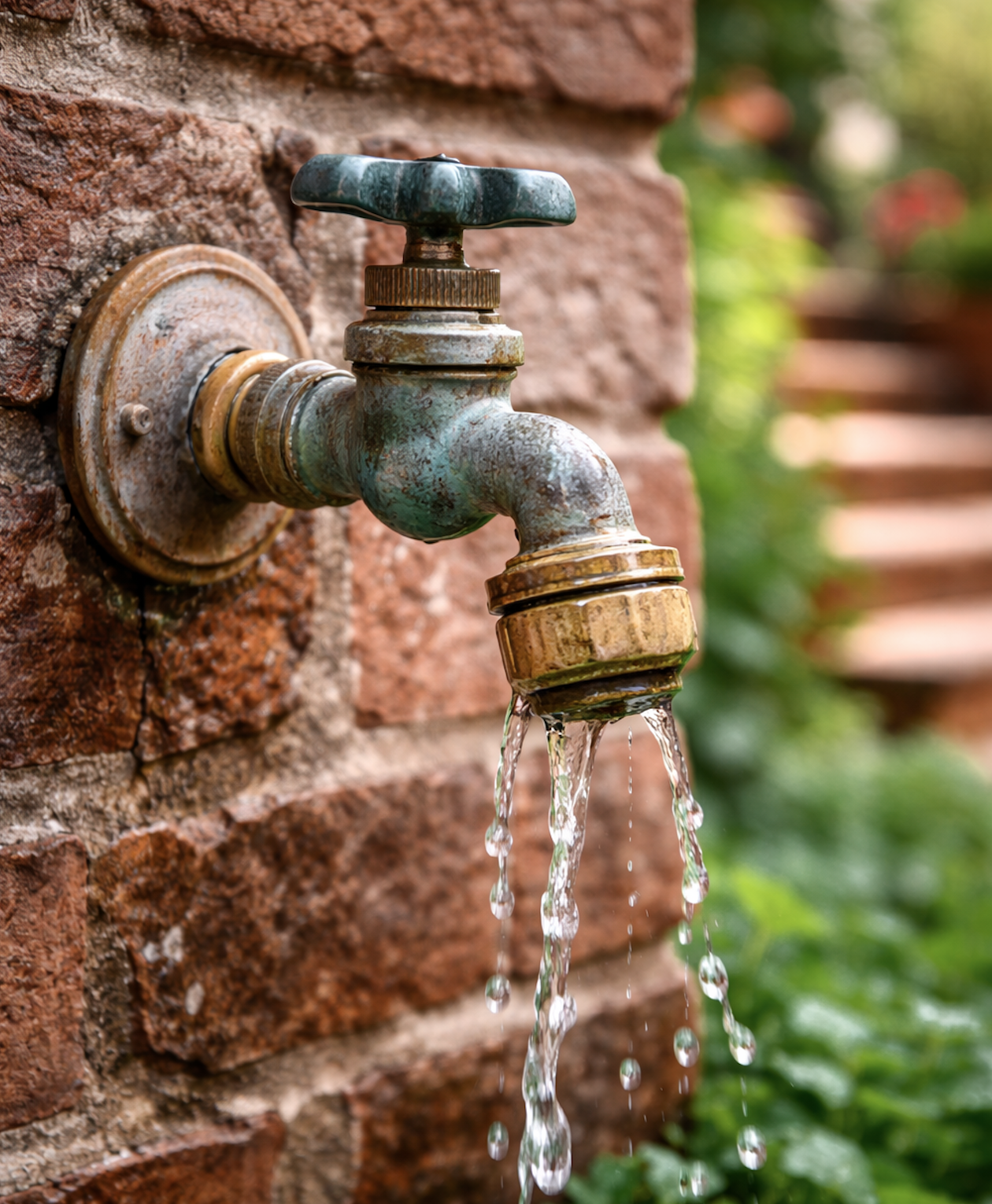
When winter finally lets go of Brooklyn, homeowners start turning on outdoor faucets again for the first time in months. Garden hoses come out, patios get washed down, and outdoor cleanup begins.
That is when many people notice a problem.
The outdoor faucet that worked perfectly last fall is suddenly dripping, spraying, or leaking around the handle. Sometimes the leak is small. Other times water appears inside the basement wall behind the faucet.
This is one of the most common seasonal plumbing issues in Brooklyn. The reason is simple: winter freeze damage often stays hidden until spring water pressure returns.
Understanding why outdoor faucets leak after winter can help you spot early warning signs, prevent structural damage, and avoid larger plumbing repairs later in the year.
Why Winter Causes Outdoor Faucet Damage
Outdoor faucets, also called hose bibs or spigots, are among the most exposed plumbing fixtures in a home.
Unlike interior pipes that stay warm inside walls, outdoor faucets sit directly against exterior brick or siding. When temperatures drop below freezing, any water remaining inside the pipe can freeze.
Water expands by roughly 9 percent when it freezes, which creates pressure inside the pipe or faucet body.
If the pipe cannot handle that pressure, something eventually gives.
Sometimes the damage is immediate and obvious. Other times the crack forms quietly during winter and only becomes visible once the faucet is turned back on in spring.
This delayed leak is extremely common.
The Most Common Causes of Outdoor Faucet Leaks
Outdoor faucet leaks after winter usually come from one of several predictable issues.
1. Frozen Water Inside the Pipe
If water remained in the pipe feeding the faucet, freezing temperatures may have caused the pipe to expand and crack.
This damage often happens inside the wall, which is why it may not appear until water pressure returns.
Once spring arrives and the faucet is opened, water flows through the damaged section and leaks begin.
2. Leaving a Garden Hose Connected During Winter
One of the biggest mistakes homeowners make is leaving the hose attached all winter.
Even if the faucet itself is shut off, water can remain trapped inside the hose and faucet connection.
When temperatures drop:
- The trapped water freezes
- Expansion pressure travels back into the faucet
- Internal components crack or weaken
Many spring plumbing calls in Brooklyn are caused by nothing more than a hose left attached during winter.
3. Worn Washers and Valve Seals
Outdoor faucets also contain internal parts that wear down over time.
Cold temperatures and months of inactivity can cause rubber washers and seals to stiffen or crack.
Once water pressure returns, these weakened parts begin leaking.
This type of issue usually causes steady dripping from the faucet spout.
4. Cracked Faucet Bodies
In more severe cases, the metal body of the faucet itself may crack during a freeze.
When water pressure returns in spring, you might notice:
- Water spraying from the faucet body
- Water leaking from connection points
- Visible fractures around the spigot
This type of damage usually requires replacement rather than repair.
Signs Your Outdoor Faucet Was Damaged Over Winter
Some leaks are obvious. Others are easy to miss unless you know what to look for.
Brooklyn homeowners should watch for these warning signs when turning outdoor faucets on for the first time in spring.
Dripping After the Faucet Is Shut Off
A faucet that continues dripping after you turn it off usually indicates worn internal components such as washers or seals.
Water Leaking Around the Handle
Water coming from the handle area often points to a worn packing nut or stem seal.
Weak or Inconsistent Water Pressure
Low water pressure from an outdoor faucet may indicate a partial blockage or internal pipe damage.
Water Appearing Inside the Basement
This is the most serious sign.
If you turn on the outdoor faucet and notice water leaking inside your basement or crawlspace, the pipe feeding the faucet may have cracked behind the wall.
In that situation, the outdoor faucet itself may appear normal while the real damage is hidden indoors.
Why Brooklyn Homes Are Especially Vulnerable
Outdoor faucet leaks are particularly common in Brooklyn because many homes were built decades ago.
Older plumbing systems often include:
- Exterior pipes running through uninsulated brick walls
- Basement plumbing near cold foundation walls
- Aging metal pipes more prone to expansion damage
- Older faucet designs without frost protection
Temperature swings in the Northeast also contribute to the problem.
Brooklyn winters frequently move between freezing nights and warmer daytime temperatures. These freeze-thaw cycles repeatedly expand and contract pipes, increasing the risk of hidden cracks.
Homeowners who want a broader understanding of seasonal plumbing risks can also review the Brooklyn winter plumbing guide, which explains how freezing weather affects pipes, boilers, and water heaters throughout the season.
How to Inspect an Outdoor Faucet in Spring
Before using your outdoor faucet regularly, it is a good idea to perform a quick inspection.
This takes only a few minutes but can help catch damage early.
Step 1: Turn the Faucet On Slowly
Open the faucet gradually and watch how water flows.
Sudden spraying or inconsistent flow may indicate internal damage.
Step 2: Watch the Faucet Body
Look closely at the spigot itself for:
- Spraying water
- Small leaks around fittings
- Cracks in the metal
Step 3: Check the Handle Area
If water leaks near the handle while the faucet is running, the packing nut or stem seal may be worn.
Step 4: Inspect the Basement or Crawlspace
This step is critical.
After turning on the outdoor faucet, go inside and check the wall behind the faucet location.
Look for:
- Dripping water
- Damp insulation
- Water stains
- Active leaks
If water is leaking indoors, stop using the faucet immediately.
What Happens If You Ignore a Leaking Outdoor Faucet
A dripping outdoor faucet might seem minor, but ignoring the problem can lead to larger issues.
Water Damage Inside Walls
If a pipe cracked behind the exterior wall, water can slowly leak into the structure of the home.
Over time this may cause:
- Mold growth
- Rotting wood framing
- Damage to drywall and insulation
Higher Water Bills
Even small leaks waste a surprising amount of water.
A faucet dripping once per second can waste thousands of gallons of water per year.
Worsening Pipe Damage
Freeze cracks tend to expand over time as pressure continues stressing the damaged pipe.
What begins as a small leak can become a full pipe rupture later.
Can You Fix an Outdoor Faucet Leak Yourself?
Some outdoor faucet repairs are simple enough for homeowners.
However, others require professional plumbing work.
You May Be Able to Fix It Yourself If:
- The leak is only a small drip from the spout
- Replacing the washer stops the leak
- No water appears inside the house
- The faucet body itself is not cracked
You Should Call a Plumber If:
- Water leaks inside the wall or basement
- The faucet sprays when turned on
- The pipe behind the wall may be cracked
- Repairs keep failing repeatedly
If the issue appears more serious, it is safer to schedule a plumbing appointment with A Good Plumber so the pipe behind the wall can be inspected properly.
How to Prevent Outdoor Faucet Leaks Next Winter
The best solution to outdoor faucet leaks is prevention.
Most winter damage can be avoided with simple preparation before temperatures drop.
Disconnect Garden Hoses
Always remove hoses before the first freeze. This allows the faucet to drain properly.
Shut Off Interior Valves
Some homes have interior shut-off valves for outdoor lines. Closing these before winter prevents water from sitting in exposed pipes.
Drain the Exterior Line
After shutting off the valve, open the outdoor faucet briefly to release remaining water.
Install Frost-Free Faucets
Frost-free hose bibs extend further inside the home where temperatures stay warmer. These designs reduce freeze risk.
Insulate Exposed Pipes
Adding pipe insulation around exposed plumbing lines helps protect them from extreme temperature swings.
Schedule Seasonal Inspections
Professional inspections help identify freeze-prone plumbing areas before winter begins.
Homeowners who want to stay ahead of seasonal plumbing issues often benefit from the A Good Plumber Diamond Club maintenance plan, which includes annual inspections and early detection of plumbing problems.
Spring Is the Best Time to Catch Winter Plumbing Damage
Outdoor faucet leaks are one of the first signs that winter may have stressed your plumbing system.
Even if the issue seems small, it is worth investigating.
Spring inspections help identify problems early before they become more expensive repairs later in the year.
If your outdoor faucet is leaking, dripping, or causing water to appear inside your home, it may be time to have the system inspected.
Taking action early protects your home, saves water, and ensures your plumbing system is ready for the warmer months ahead.
