
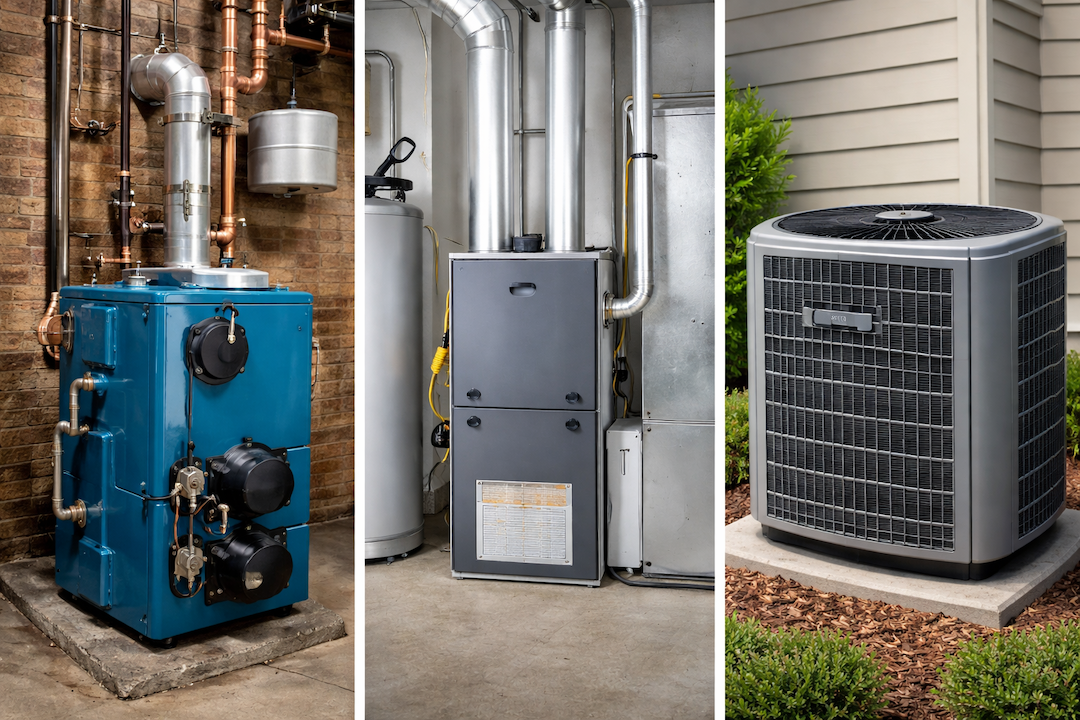
Many Brooklyn homeowners use the terms boiler, furnace, and heat pump interchangeably. They are very different systems, and knowing which one you have matters when it comes to maintenance, repairs, and energy costs.
This guide from A Good Plumber breaks down how each system works, which ones are most common in Brooklyn homes, and how to know what you are heating your home with.
Why This Confusion Is So Common in Brooklyn
Brooklyn has a mix of housing styles, from historic brownstones to multi-family buildings and newer renovations. Over time, heating systems get replaced, upgraded, or partially modified, which adds to the confusion.
Many homeowners are not sure:
- What system they actually have
- Who services it
- What maintenance it needs
- Why heating costs vary so much
Understanding the basics helps you avoid unnecessary repairs and make smarter decisions.
What Is a Boiler?
A boiler heats water and distributes heat through radiators, baseboards, or radiant floor systems.
How boilers work:
- Water is heated inside the boiler
- Hot water or steam moves through pipes
- Heat radiates into rooms
- Cooled water returns to be reheated
Why boilers are common in Brooklyn:
- Ideal for older brownstones
- Quiet operation
- Even, comfortable heat
- Long lifespan when maintained
Boilers are one of the most common heating systems in Brooklyn, especially in buildings constructed before the 1970s.
If you rely on radiators, you almost certainly have a boiler. Routine boiler maintenance is critical before winter to avoid heat loss during cold snaps.
What Is a Furnace?
A furnace heats air and distributes it through ductwork using vents.
How furnaces work:
- Air is heated inside the furnace
- A blower pushes warm air through ducts
- Heated air exits through vents in each room
Where furnaces are found in Brooklyn:
- Renovated townhomes
- Single-family houses
- Homes with existing duct systems
Furnaces heat spaces quickly but can create uneven temperatures in older homes with poor duct design.
Unlike boilers, furnaces require duct maintenance and filter changes in addition to heating system service.
What Is a Heat Pump?
A heat pump moves heat instead of generating it. In winter, it pulls heat from the outside air and transfers it indoors.
How heat pumps work:
- Absorb heat from outdoor air
- Compress and transfer heat inside
- Reverse operation in summer for cooling
Heat pumps in Brooklyn:
- More common in newer or renovated homes
- Often paired with electric systems
- Can reduce energy costs in mild winters
Heat pumps are efficient, but they may struggle during extreme cold unless paired with backup heating.
Quick Comparison Chart
| Feature | Boiler | Furnace | Heat Pump |
|---|---|---|---|
| Heats | Water or steam | Air | Transfers heat |
| Distribution | Radiators or pipes | Ducts and vents | Air handlers |
| Common in Brooklyn | Very common | Moderate | Limited but growing |
| Comfort | Even, steady heat | Faster but uneven | Efficient in mild cold |
| Maintenance | Annual inspection | Filters and service | Seasonal checks |
How to Tell What System You Have
You likely have a boiler if:
- You have radiators or baseboards
- No air vents in the floor or ceiling
- Pipes connected to a heating unit
You likely have a furnace if:
- Warm air blows from vents
- You change air filters regularly
- You have visible ductwork
You may have a heat pump if:
- One system handles heating and cooling
- You use electricity rather than gas
- The system runs year-round
If you are unsure, a professional inspection can quickly identify your system.
Why Boilers Dominate Brooklyn Homes
Brooklyn winters demand consistent heat. Boilers perform well in cold climates and older buildings because:
- Pipes hold heat longer than air
- Radiators stay warm after shutoff
- Systems handle extreme cold better
This is why boiler maintenance is one of the most important winter services for Brooklyn homeowners.
Maintenance Matters No Matter What You Use
Every heating system needs regular care:
- Boilers need pressure checks and cleaning
- Furnaces need filter changes and airflow inspections
- Heat pumps need seasonal performance checks
Skipping maintenance leads to breakdowns at the worst possible time.
Our Brooklyn winter plumbing guide explains how heating systems connect to overall winter prep, including pipes and hot water systems.
Diamond Club Advantage
Homeowners enrolled in the A Good Plumber Diamond Club receive yearly inspections that help identify heating issues before winter emergencies start.
Membership benefits include:
- Annual system checks
- Early detection of heating problems
- Priority winter service
- Discounts on repairs
It is one of the easiest ways to stay ahead of winter heating problems in Brooklyn.
Not Sure What You Have? We Can Help
Knowing whether you have a boiler, furnace, or heat pump makes all the difference when something goes wrong.
If you are unsure what system heats your home or want to make sure it is ready for winter, schedule an inspection with A Good Plumber and get clarity before the cold sets in.
