
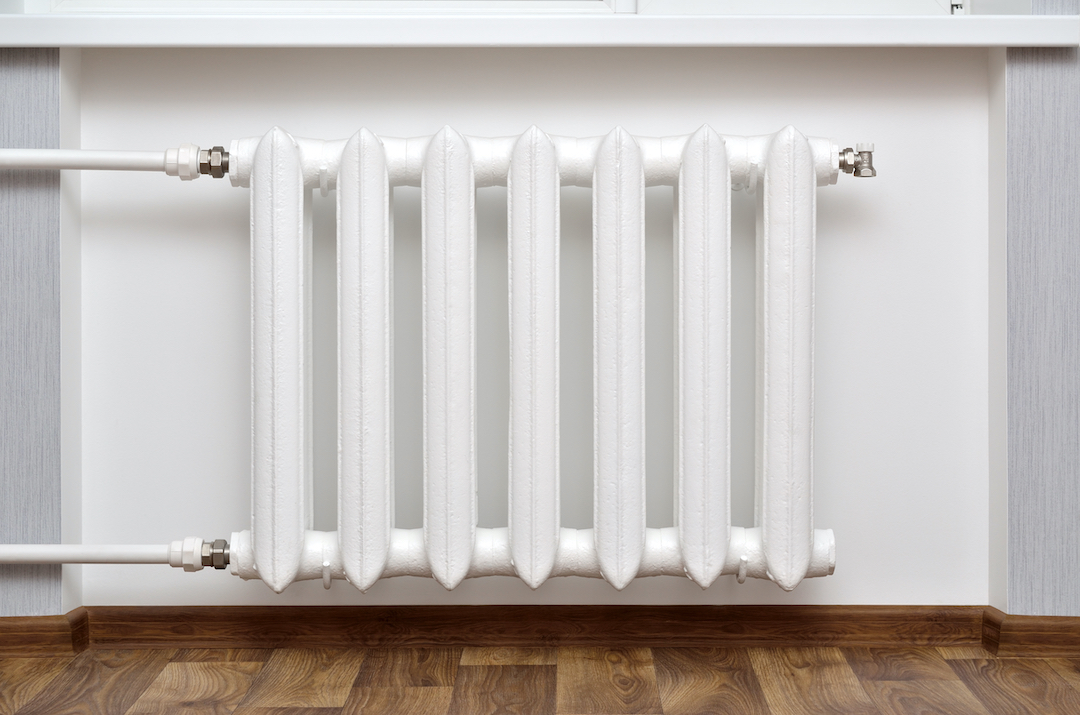
If one radiator stays cold while others heat, the next step depends on whether your system uses steam or hot water. A steam radiator may have a vent, valve, drainage, or distribution problem. A hot-water radiator may have trapped air or a circulation or control problem. Identify the system before opening anything: a steam air vent is not a hot-water bleed valve.
A cold bedroom does not automatically mean you need a new radiator or boiler. Start by establishing whether the problem affects one room, a heating zone, or the whole building. This guide helps Brooklyn homeowners and tenants collect useful clues, recognize urgent problems, and understand what a heating professional should check.
Keep away from escaping steam or spraying hot water and keep children away from the affected radiator. Contact building management and a heating professional urgently; call 911 for an immediate danger. If you smell gas or a carbon monoxide alarm sounds, leave immediately and call 911 from a safe location. Do not investigate a suspected gas leak or operate switches or electronics inside. See Con Edison’s gas emergency guidance and carbon monoxide emergency instructions.
First, Is Your Radiator Steam or Hot Water?
Steam systems deliver steam to a radiator, where it releases heat and condenses into water. Hot-water systems circulate heated water through the heating circuit. The cast-iron radiator itself can look similar in both systems. The U.S. Department of Energy’s heating guide explains these different heat-distribution arrangements.
| What you can see | What it may indicate | Important distinction |
|---|---|---|
| One pipe connection and a small air vent on the radiator | A typical one-pipe steam radiator | This vent is not a manual hot-water bleed valve. |
| Two pipe connections, sometimes with a trap on the outlet | A two-pipe steam arrangement | Two pipes alone do not identify hot-water heat. |
| Supply and return connections with a small manual bleed fitting | A hot-water radiator | Confirm the system and its service procedure before opening a fitting. |
On one-pipe steam systems, air normally leaves through the radiator vent. On many two-pipe steam systems, it leaves through the return arrangement. Heating specialist Dan Holohan explains that distinction in his guide to steam and hot-water radiators. If the system is unfamiliar, ask your superintendent or heating contractor to identify it before adjusting valves or fittings.
What Does the Pattern Tell You?
These observations help decide where to investigate. They do not prove that a particular part has failed. Make comparisons during the same heating cycle and use room temperatures rather than touching hot metal.
| Pattern | Useful next step |
|---|---|
| One room is cold; nearby rooms heat normally | Record which radiator is affected and ask for its valve, air-removal path, and branch piping to be checked. |
| Several rooms on one floor or heating zone are cold | Report the rooms together. The shared piping or zone controls may matter more than any single radiator. |
| Every radiator is cold | Confirm whether heat is being requested and report a possible system-wide outage. |
| The radiator heats but the room stays cold | Check for blocked airflow and drafts, and record the actual room temperature. |
| The problem began after plumbing work or renovation | Describe exactly what changed and when the heating problem started. |
| There is leaking water, escaping steam, or new severe banging | Stop troubleshooting and arrange prompt professional attention. Escaping steam is urgent. |
Five Checks You Can Make Without Opening the System
- Check the room temperature and heat request. If you control the thermostat, check its mode, schedule, and setpoint. In a centrally heated apartment, ask management whether the building is calling for heat. A radiator that is cool between heating cycles is not enough evidence of a fault.
- Compare the affected room with other rooms. Note the date, time, and temperatures. “The bedroom is 61°F while the living room is 70°F at 7 a.m.” gives a contractor more to work with than “the heat is bad.” This is an example of a useful report, not a required test condition.
- Look for blocked airflow. Move furniture and heavy curtains away from the radiator. Keep any thermostatic sensor unobstructed. Danfoss lists blocked radiators and poorly located sensors among the causes of insufficient heating in its radiator-control troubleshooting guidance.
- Look for visible damage from a safe distance. Report drips, corrosion, staining, or a displaced radiator. Photograph what is visible without touching hot surfaces, lifting the radiator, or removing covers that expose equipment.
- Write down recent changes. Include a replaced vent, moved radiator, new flooring, boiler work, or the first startup after summer. Tell the technician whether the symptom is constant or comes and goes.
Do not force an old valve, loosen pipe unions, remove a steam vent, or alter boiler pressure to test a theory. In a shared building, arrange access and repairs through the owner or manager.
Why a Steam Radiator Can Stay Cold
Air cannot leave at the right rate
Steam needs a working route for air to leave the system. A faulty radiator vent can prevent a one-pipe radiator from heating, but the main vents serving the building matter too. Fitting a faster radiator vent without checking the distribution system can miss the underlying problem. Holohan’s one-pipe steam balancing guide explains why main venting and radiator vent selection need to work together.
Condensate cannot drain properly
The water formed when steam condenses needs a clear return path. A drainage problem elsewhere in the piping can leave a radiator cold even after someone replaces its visible components. In his published service case, heating specialist Ray Wohlfarth traced a persistent cold radiator to a sagging return pipe that held water and blocked air movement.
The practical lesson is to inspect the route serving the radiator before assuming the radiator itself needs replacement. Correcting pipe support or radiator position is professional work; moving heavy cast iron can strain connected piping.
A valve or steam trap needs attention
A closed or defective supply valve can interrupt heating. On two-pipe systems that use radiator traps, a trap problem can also interfere with operation. NYCHA’s resident heating guidance specifically identifies hot pipes with a cold radiator as a condition requiring attention to the valve and trap. The appropriate repair still depends on the system installed in your building.
The problem is in the shared system
If several radiators heat poorly, the investigation should extend to the mains, boiler operation, and controls. Raising steam pressure is not a general cure: excessive pressure can interfere with vent operation, as Holohan explains. Leave boiler settings to a qualified heating professional.
Why a Hot-Water Radiator Can Stay Cold
Trapped air: Air can collect in a water-filled heating circuit. Appropriate air-removal devices are designed for this purpose; see Caleffi’s radiator and heating-system air-vent documentation. A professional should determine whether air is the cause and whether bleeding or purging is appropriate. Repeated air problems deserve investigation rather than an endless cycle of topping up and bleeding.
Controls or water circulation: A room thermostat may control a valve serving a whole heating zone. If that valve is not opening as intended, multiple radiators can be affected. Caleffi’s zone-valve documentation describes how these valves control flow through a heating circuit. The technician should check the heat request and actual water circulation before recommending a replacement part.
A local thermostatic control: If your radiator has a numbered temperature dial, identify its model and normal user instructions. A sensor enclosed behind a curtain may respond to a different temperature than the occupied room. Danfoss’s guidance explains why sensor location matters. Do not remove the valve body or dismantle its operator to troubleshoot.
What Should a Heating Professional Check?
A useful diagnosis connects the symptom to evidence. Before agreeing to repairs, ask the technician to explain:
- Which type of heating system is installed, and which rooms share its piping or controls?
- Is the problem at the radiator, along its supply or return route, or in the shared system?
- What observation or test supports the proposed repair?
- Does the work require access to other rooms or apartments, or a heating shutdown?
- How will operation be checked afterward, including the affected room and other radiators?
The scope affects the estimate: replacing an accessible component is different from repairing concealed piping or correcting distribution across a building. Request an explanation of the work and its price after diagnosis. One cold radiator alone does not establish a need for a new boiler.
For help with an ongoing problem, see our Brooklyn heating repair service. For seasonal planning, read our boiler maintenance guide.
NYC Heat Requirements and Steam Radiator Inspections
NYC’s heat season runs from October 1 through May 31. During that period, rental apartments must be at least 68°F from 6 a.m. to 10 p.m. when it is below 55°F outdoors, and at least 62°F from 10 p.m. to 6 a.m. regardless of the outdoor temperature. These are indoor-temperature requirements, not a requirement for every radiator to remain hot continuously. See HPD’s heat and hot-water guidance.
Tenants should notify the owner or managing agent about inadequate heat. If it is not resolved, follow HPD’s instructions for making a 311 complaint. Keep a record of temperatures and communications. NYCHA residents can report heating issues through the NYCHA Customer Contact Center or MyNYCHA.
For owners of steam-heated buildings: Local Law 151 of 2025 adds radiator inspection duties for covered buildings with three or more residential units. HPD describes inspections at least every two years in covered apartments where a child under six resides, and in common areas. Its annual tenant-notice process begins in January 2027. Review the current HPD requirements, forms, and inspector qualifications for your property. A heating repair visit should not be assumed to satisfy the separate inspection and recordkeeping requirements.
Frequently Asked Questions
Should I bleed a cold steam radiator?
No—do not apply a hot-water bleeding procedure to a steam radiator. Have its system type and air-removal components identified. Unscrewing a vent on an operating steam system can expose you to hot water or steam.
Does a cold radiator mean the boiler has failed?
Not necessarily. Record whether other rooms receive heat. One affected room calls for a different investigation from a building-wide loss of heat.
Can I fix it by turning up the thermostat?
Check that the thermostat is requesting heat, but do not treat a higher setting as a repair. If other rooms are already comfortable and the same room remains cold, report that pattern.
Should every radiator feel equally hot?
Judge the problem by room comfort, measured temperatures, and behavior over heating cycles. A single touch comparison is both unreliable and a burn risk.
What should I send before the appointment?
Send room temperatures, the affected locations, when the problem began, and photos taken from a safe distance. Mention recent work and whether there are leaks or unusual noises. You do not need to identify a failed part before asking for help.
Get Help With Uneven Heat in Brooklyn
We provide heating repairs for Brooklyn homes and businesses. Our team includes three NYC Licensed Master Plumbers: Warren (#1948), Bill (#2434), and Thomas (#2517). Meet our team and learn more about our history.
Call (718) 648-6838 or contact us to tell us about your heating problem and arrange service.
