A sewer backup is one of the most stressful plumbing problems a Brooklyn property owner can experience. One minute everything appears normal, and the next you may notice water coming up through a basement drain, a toilet that will not flush properly, or wastewater backing up into a tub or shower.
Sometimes a backup is caused by a simple blockage. Other times, recurring sewer problems point to damage deeper inside the building’s drainage system or the sewer service line connecting the property to the City’s sewer main.
This guide explains why sewer backups happen in Brooklyn homes, the warning signs that often appear first, when a drain cleaning may be enough, and when a more detailed plumbing inspection may be necessary.
Why Sewer Backups Are Common in Brooklyn
Brooklyn includes brownstones, row houses, apartment buildings, mixed-use properties, and homes with plumbing systems that have been modified repeatedly over many decades.
Older drain and sewer piping can remain functional for a long time, but age, buildup, improper disposal of materials, previous repairs, and changes to the building can all affect how well wastewater moves through the system.
Common contributing factors include:
- Grease buildup inside drain lines
- Wipes and other materials that do not break down easily
- Older cast iron or clay piping
- Damaged or deteriorated sewer lines
- Improperly pitched drainage piping
- Heavy use in multi-family buildings
- Previous renovations or plumbing alterations
1. Grease Buildup Inside Drain Lines
Kitchen grease is one of the most common causes of slow and blocked drains.
When hot grease is poured into a sink, it may appear to wash away. As it cools inside the piping, however, it can cling to the walls of the drain. Food particles and other debris then collect on that buildup, gradually reducing the available space inside the pipe.
Warning signs may include:
- A kitchen sink that drains slowly
- Gurgling from nearby fixtures
- Recurring kitchen drain clogs
- Unpleasant drain odors
- Water backing up when the dishwasher runs
If the problem continues returning after basic drain cleaning, there may be a larger buildup deeper inside the drainage system.
2. Wipes and Other Materials Flushed Down Toilets
Toilets are designed to move wastewater and toilet paper through the drainage system. Other products may not travel through older plumbing as easily.
Wipes, paper towels, sanitary products, and other materials can catch on rough or deteriorated sections of pipe and contribute to larger blockages over time.
This can be especially problematic in multi-family buildings where many residents share portions of the same drainage system.
3. Aging Sewer Piping
Many older Brooklyn properties still contain sections of original or aging drain piping.
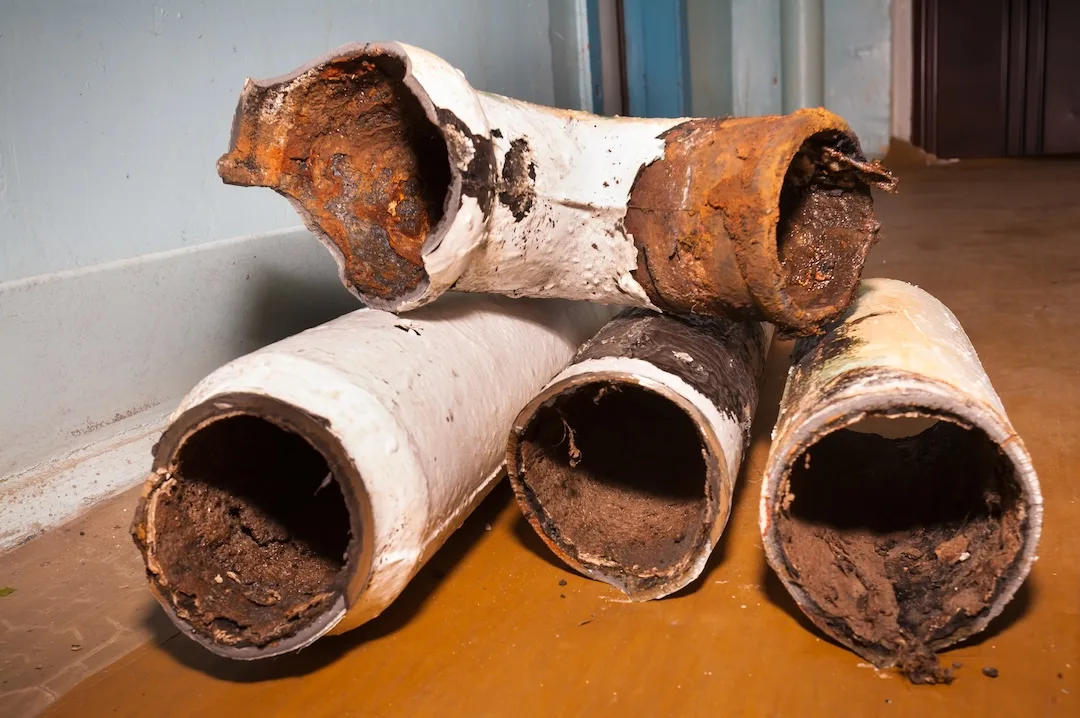
Cast iron piping is durable, but after decades of service its interior can become rough from corrosion and buildup. Older sewer lines may also crack, shift, deteriorate, or develop sections that no longer drain correctly.
Possible symptoms include:
- Frequent drain clogs throughout the building
- Multiple fixtures backing up at the same time
- Sewer odors
- Slow drainage on the lowest level
- Recurring backups despite previous clearing
If you own an older property, our guide to plumbing problems in older Brooklyn brownstones explains several other issues that can develop as plumbing systems age.
4. A Blockage in the Main Building Drain
When only one sink or tub is slow, the problem may be limited to a single branch drain.
When several fixtures begin acting up together, the blockage may be farther downstream in the building’s main drainage piping.
| What You Notice | Possible Location |
|---|---|
| One slow sink | Local fixture or branch drain |
| One toilet repeatedly clogs | Toilet or nearby branch line |
| Tub gurgles when toilet flushes | Shared branch or venting issue |
| Several fixtures drain slowly | Main building drain |
| Basement drain backs up | Main drain or sewer service line |
The more fixtures involved, the more important it becomes to identify the actual source instead of repeatedly treating individual drains.
5. Problems With the Sewer Service Line
The sewer service line carries wastewater from the building toward the City’s sewer main.
If this line becomes blocked, damaged, cracked, or deteriorated, wastewater may have nowhere to go. The result can be a backup at the lowest plumbing fixtures in the building.
Signs that may point to a sewer service line problem include:
- Repeated main drain backups
- Sewage appearing in a basement fixture or floor drain
- Multiple toilets affected at once
- Recurring problems after previous drain clearing
- Known problems with older underground piping
6. Plumbing Alterations and Renovations
Brooklyn homes are frequently renovated, converted, or expanded.
Adding bathrooms, kitchens, laundry equipment, or additional apartments changes how a plumbing system is used. If new fixtures were tied into existing drainage incorrectly, the building may develop recurring drainage issues later.
Potential problems include:
- Improper pipe sizing
- Poor drainage pitch
- Incorrect connections
- Inadequate venting
- Older piping that cannot handle increased use reliably
If you are purchasing a property with an unknown renovation history, consider a professional plumbing evaluation. Our guide on plumbing inspections before buying a Brooklyn home explains why drainage and sewer conditions should be reviewed before closing.
7. Heavy Rain Can Reveal Existing Drainage Problems
A problem that seems minor during normal conditions may become more obvious during periods of heavy rainfall.
If a building’s private drainage system is already restricted or damaged, unusual system demand can expose weaknesses that were not noticeable before.
Warning Signs Before a Sewer Backup
Major backups are not always completely unexpected. Plumbing systems often provide warning signs first.
| Warning Sign | What It May Mean |
|---|---|
| Slow drains throughout the home | Developing main drain blockage |
| Gurgling toilets or tubs | Restricted drainage or airflow |
| Sewer odor | Drain, trap, vent, or sewer issue |
| Basement drain bubbling | Wastewater struggling to move downstream |
| Recurring clogs | Underlying condition not fully corrected |
| Several fixtures backing up together | Main drain or sewer line problem |
Drain Cleaning vs. Sewer Line Inspection
Not every clogged drain requires an extensive repair.
If the issue is a straightforward buildup inside an accessible drain line, professional drain clearing may restore normal flow.
However, if the clog keeps returning, a plumber may need to investigate why the line continues becoming restricted.
A more detailed inspection may be appropriate when:
- The same drain repeatedly clogs
- Several fixtures are affected
- The property has older drain piping
- A main drain has backed up more than once
- The building is being purchased or renovated
- Previous clearing did not provide a lasting solution
A drain or sewer camera can help a plumber inspect portions of the piping that would otherwise be difficult to evaluate without opening walls or floors.
What Should You Do During an Active Sewer Backup?
If wastewater is actively backing up into your home or building, stop using plumbing fixtures whenever possible.
Take these steps:
- Stop running sinks, showers, dishwashers, and washing machines
- Avoid flushing toilets
- Keep people and pets away from contaminated water
- Call a licensed plumber
- Arrange for proper cleanup if sewage has entered the property
Wastewater should be treated as a sanitation concern, not simply another water leak.
How A Good Plumber Can Help
A Good Plumber works with homeowners, landlords, property managers, co-op boards, condo associations, and businesses throughout Brooklyn.
Our team can help diagnose drainage problems, identify recurring clogs, evaluate aging plumbing, and determine when additional investigation or repair is appropriate.
Our plumbing services include:
- Drain and plumbing diagnostics
- Clogged drain evaluation
- Broken and damaged pipe repair
- General plumbing repairs
- Leak detection
- Plumbing inspections
Learn more about our Brooklyn general plumbing services or our broken pipe repair services.
Final Thoughts
A sewer backup is usually a symptom of a larger drainage problem somewhere in the system. Clearing the immediate blockage is important, but recurring backups deserve a closer look.
Pay attention to slow drains, gurgling fixtures, basement backups, and repeated clogs. Identifying the cause early can help prevent more extensive damage and a much larger plumbing emergency.
If your Brooklyn home or building is experiencing recurring drain problems or a sewer backup, call (718) 648-6838 today to schedule an appointment with A Good Plumber.
