
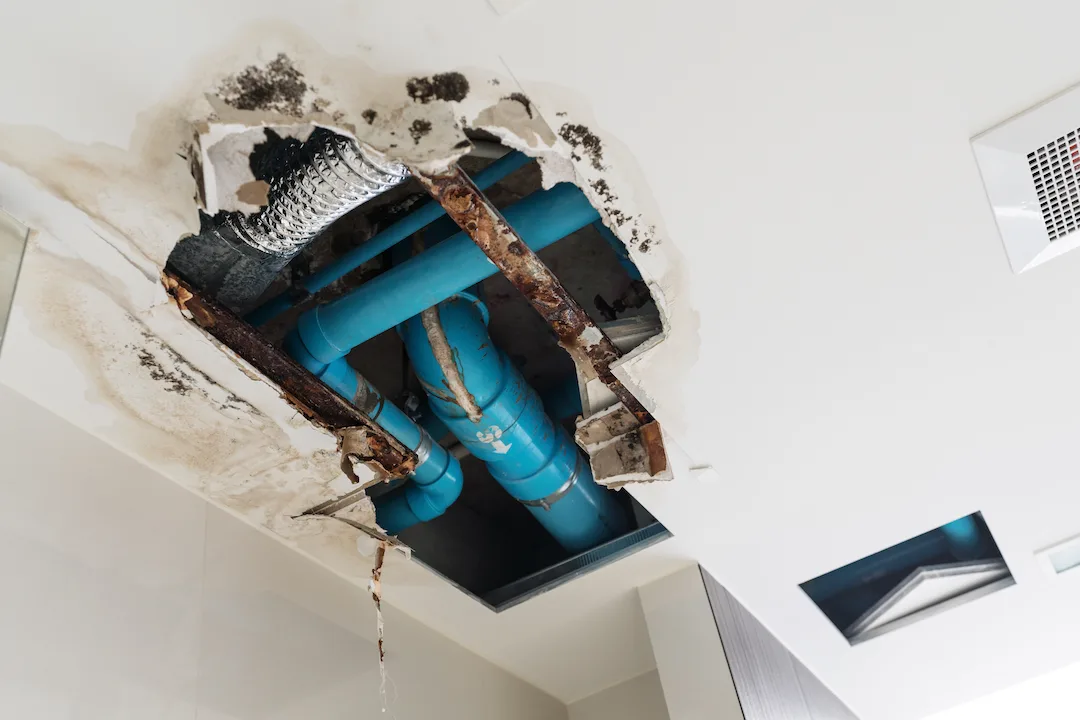
Not every plumbing leak creates an obvious puddle.
Some of the most expensive water leaks in Brooklyn homes develop slowly behind walls, beneath floors, above ceilings, inside cabinets, or around plumbing fixtures. By the time water becomes visible, nearby drywall, plaster, flooring, cabinetry, or framing may already have been exposed to moisture.
Hidden leaks can also waste significant amounts of water while increasing utility costs and creating conditions that may lead to additional property damage.
This guide explains the most common signs of a hidden water leak in Brooklyn homes, where these leaks often develop, what may cause them, and when it is time to call a licensed plumber.
Why Hidden Water Leaks Should Not Be Ignored
A small leak may not seem urgent, especially when the water is concealed behind a finished wall or only appears occasionally.
The problem is that water can travel far from the original source. It may follow pipes, floor joists, framing, or other building materials before finally becoming visible somewhere else.
Over time, an undetected plumbing leak may contribute to:
- Water-stained walls and ceilings
- Damaged drywall or plaster
- Warped flooring
- Damaged cabinets
- Deteriorated finishes
- Mold or mildew growth
- Higher water bills
- More extensive plumbing repairs
Finding the source early can help limit the amount of damage that occurs around the leaking pipe or fixture.
1. An Unexplained Increase in Your Water Bill
One of the first signs of a hidden leak may appear on your water bill before you ever see water inside the home.
If your household or building usage has remained relatively consistent but water consumption suddenly increases, water may be escaping somewhere in the plumbing system.
Possible causes include:
- A running toilet
- A leaking faucet
- A hidden supply pipe leak
- An outdoor plumbing leak
- A leaking water service line
One unusually high bill does not always mean there is a plumbing leak, but an unexplained or continuing increase should be investigated.
2. Water Stains on Walls or Ceilings
Brown, yellow, or darkened areas on a ceiling or wall are among the most recognizable signs of unwanted moisture.
However, the leak may not be located directly behind the stain.
Water can travel along framing, piping, or floor joists before soaking through the finished surface in another location.
Common plumbing sources include:
- Bathroom supply piping
- Shower or tub connections
- Drain piping
- Toilet connections
- Heating piping
- Water heater connections
Even if a stain dries or stops getting larger, the original source should still be identified.
3. Peeling Paint or Bubbling Walls
Paint and wall finishes often react quickly when moisture becomes trapped behind them.
If paint begins bubbling, peeling, cracking, or separating from the wall without an obvious reason, there may be moisture behind the finished surface.
In older Brooklyn homes with plaster walls, moisture may also create staining, cracking, soft areas, or sections where the finish begins separating.
4. Musty or Damp Odors
A persistent musty smell may indicate moisture in an area that is not drying properly.
This can happen when a slow plumbing leak develops inside a wall, cabinet, basement, or another poorly ventilated space.
Pay attention to unusual odors near:
- Bathroom walls
- Kitchen cabinets
- Basements
- Utility rooms
- Closets containing plumbing
- Areas below bathrooms
- Laundry rooms
A musty smell alone does not confirm a plumbing leak, but it is a good reason to inspect the surrounding area more closely.
5. You Hear Water Running When Everything Is Off
Your plumbing system should generally be quiet when no fixtures or appliances are using water.
If you hear dripping, trickling, hissing, or water moving when everything appears to be shut off, there may be a leak somewhere in the system.
Before calling a plumber, check whether any of the following are operating:
- Toilets
- Dishwashers
- Washing machines
- Ice makers
- Outdoor faucets
- Automatic plumbing equipment
If everything is off and the sound continues, professional leak detection may be appropriate.
6. Your Water Meter Shows Usage When Nothing Is Running
Your water meter can provide another clue that water is moving somewhere on the property.
If all faucets, fixtures, toilets, and water-using appliances are off but the meter continues showing water usage, there may be an active leak.
| What You Notice | Possible Explanation |
|---|---|
| Water meter moves with fixtures off | Possible active plumbing leak |
| Water use increases overnight | Running toilet or hidden leak |
| Water bill suddenly increases | Leak or unusual water usage |
| No visible water is present | Leak may be concealed |
Monitoring your normal water usage can make unexpected changes easier to recognize.
7. A Toilet That Runs Quietly
Not every hidden leak is located inside a wall.
A toilet can leak internally from the tank into the bowl without leaving any water on the bathroom floor.
Because the toilet repeatedly refills itself, even a relatively small internal leak can waste water continuously.
Signs of a running toilet may include:
- The toilet refills even when nobody has flushed
- You hear occasional hissing
- Water moves inside the bowl
- The handle needs frequent adjustment
- Your water usage is higher than normal
Running toilets are easy to overlook because the leaking water remains inside the plumbing fixture.
8. Warped, Loose, or Discolored Flooring
Water leaking beneath a finished floor can cause flooring materials to swell, stain, separate, or deteriorate.
You may notice:
- Loose tiles
- Raised flooring
- Soft spots
- Discoloration
- Separating seams
- Changes in the floor’s surface
Bathrooms, kitchens, laundry areas, and areas around water heaters are especially important places to monitor.
9. Damp Cabinets Under Sinks
Plumbing leaks beneath kitchen and bathroom sinks can remain unnoticed for a long time because the piping is hidden inside a cabinet.
By the time the leak is discovered, the bottom of the cabinet may already be swollen, stained, or deteriorated.
Leaks beneath sinks may come from:
- Water supply connections
- Faucet connections
- Drain traps
- Shutoff valves
- Garbage disposal connections
- Dishwasher piping
Periodically checking beneath sinks for moisture, rust, discoloration, or damp odors can help identify a problem earlier.
10. Low Water Pressure Along With Other Warning Signs
Low water pressure can have several causes and does not automatically indicate a leak.
However, a sudden pressure change combined with higher water usage, visible stains, dampness, or the sound of running water deserves further investigation.
If pressure is the primary issue in your home, our guide to water pressure problems in NYC homes explains several common causes.
Where Hidden Plumbing Leaks Commonly Develop
Any pressurized water pipe or plumbing connection can eventually leak, but certain areas deserve extra attention.
| Location | Common Leak Sources |
|---|---|
| Behind bathroom walls | Shower, tub, toilet, or supply piping |
| Under kitchen sinks | Faucet, drain, or dishwasher connections |
| Above ceilings | Upstairs bathroom or plumbing piping |
| Basements | Exposed piping, valves, or service piping |
| Near water heaters | Tank, valve, or pipe connections |
| Inside older walls | Aging or deteriorating piping |
Why Older Brooklyn Homes Require Extra Attention
Brooklyn’s older housing stock often contains plumbing installed during several different periods.
A single brownstone, row house, or multi-family property may include original piping, newer replacement sections, renovated bathrooms, relocated kitchens, updated boilers, and repairs completed by several different contractors over many years.
These mixed generations of plumbing can create weak points that are difficult to identify through a simple visual inspection.
If you own an older property, our guide to plumbing problems in older Brooklyn brownstones explains several issues that may be hiding behind finished walls.
Could an Older Pipe Be the Problem?
Pipes can eventually deteriorate from age, corrosion, repeated repairs, temperature changes, and normal building movement.
A small pinhole leak may begin with only a few drops of water, but the leak can worsen over time.
Older plumbing should be evaluated if you notice:
- Visible corrosion
- Repeated leaks in the same area
- Discolored water
- Moisture around pipe joints
- Previous repairs throughout the system
- Unexpected pressure changes
If a pipe has already failed or broken, learn more about our Brooklyn broken pipe repair services.
Water Heater Leaks Can Also Be Difficult to Spot
Water heaters contain several areas where leaks may develop, including supply connections, valves, drain fittings, and the tank itself.
A slow water heater leak may initially appear as minor dampness around the equipment.
Over time, however, continued leaking can damage nearby flooring, walls, or mechanical room finishes.
If your water heater is older, you may also want to read our guide on how long water heaters last in Brooklyn homes.
Can You Find a Hidden Leak Yourself?
Homeowners can perform several basic checks before calling a plumber.
Look for:
- Water stains
- Damp cabinets
- Running toilets
- Dripping faucets
- Visible corrosion
- Moisture near water heaters
- Unexpected water meter activity
- Changes in water pressure
However, avoid opening walls, cutting pipes, or performing unnecessary demolition if you do not know where the leak originates.
The visible water damage may be several feet away from the actual source.
When Is a Hidden Water Leak an Emergency?
Some plumbing leaks develop slowly and can be addressed with a scheduled repair. Others require immediate attention.
| Situation | Recommended Action |
|---|---|
| Small drip under sink | Schedule plumbing repair |
| Growing ceiling stain | Have the source inspected promptly |
| Water actively entering a wall | Call a plumber immediately |
| Ceiling begins sagging | Stay clear and address immediately |
| Major pipe rupture | Shut off water if safe and call for service |
| Water near electrical equipment | Avoid the area and seek professional help |
When Should You Call a Licensed Plumber?
Consider scheduling a plumbing inspection if:
- Your water bill has increased without explanation
- You notice new stains on walls or ceilings
- You hear water running when fixtures are off
- Your water meter shows unexpected usage
- You smell persistent damp or musty odors
- The same leak keeps returning
- Your property contains older plumbing
- You cannot determine where water is coming from
A licensed plumber can inspect the plumbing system and determine what type of repair may be necessary.
Why Fixing the Source Matters
Drying a wet ceiling or repainting a stain does not correct the plumbing problem that caused it.
If the source remains active, the water damage will eventually return.
The goal should always be to identify where the water is coming from, repair the plumbing issue, and then address any damaged building materials.
How A Good Plumber Can Help
A Good Plumber works with homeowners, landlords, property managers, co-op boards, condo associations, and commercial property owners throughout Brooklyn.
Our licensed plumbers can help identify plumbing leaks, diagnose damaged piping, and recommend the appropriate repair.
Our services include:
- Water leak detection
- Pipe repairs
- Broken pipe repair
- Fixture repairs
- Water heater repairs
- General plumbing diagnostics
- Plumbing inspections
Learn more about our Brooklyn general plumbing services.
Final Thoughts
Hidden water leaks can cause significant damage precisely because they are difficult to see.
Pay attention to changes in your water bill, unexplained meter activity, stains, bubbling paint, damp cabinets, running toilets, musty odors, warped flooring, and unusual sounds of moving water.
Those small warning signs may be the first indication that a plumbing problem is developing behind the scenes.
If you suspect a hidden water leak in your Brooklyn home or building, call (718) 648-6838 today to schedule an appointment with A Good Plumber.
