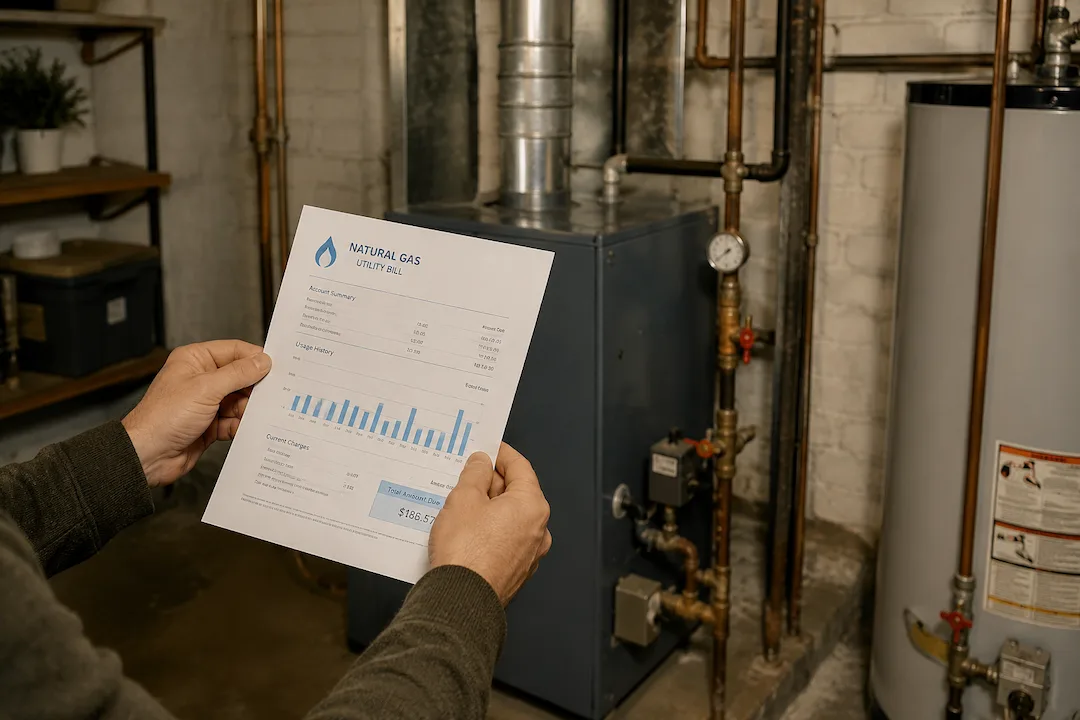
Opening your utility bill and seeing a much higher number than expected can be frustrating. Many Brooklyn homeowners assume the utility company made a mistake, but in most cases, there is a reason behind the increase.
While seasonal weather changes can affect energy usage, a sudden spike in your gas bill may also point to an issue with your heating system, gas piping, water heater, or appliances.
This guide from A Good Plumber explains the most common reasons gas bills rise, what signs to watch for, and when it may be time to call a licensed Brooklyn plumber.
Common Reasons Gas Bills Increase
Not every high gas bill is caused by a plumbing or heating problem. Some increases are normal, while others may indicate equipment inefficiency or gas system concerns.
- Colder weather
- Aging heating equipment
- Water heater problems
- Gas piping issues
- Increased hot water usage
- Poor insulation
- Thermostat settings
- Hidden gas leaks
- Older gas appliances
The key is figuring out whether the increase is expected, seasonal, or unusual enough to investigate.
Compare Your Usage Before Looking at the Cost
Many homeowners focus on the dollar amount of the bill first. However, the more important number is often your actual gas usage.
If your bill increased because rates changed, your consumption may not have changed much. If your usage increased significantly, that usually points to something happening inside the home.
| Question | Why It Matters |
|---|---|
| Has the weather been colder? | Heating systems consume more gas during colder months. |
| Has hot water usage increased? | Water heaters may run more often with extra showers, laundry, or guests. |
| Have you added appliances? | New gas appliances can increase total demand. |
| Is your equipment older? | Older systems often lose efficiency and use more gas. |
| Have you noticed gas odors? | This may indicate a gas leak and should be treated seriously. |
Your Heating System May Be Working Harder
In Brooklyn homes, heating equipment is often the largest gas consumer. If your gas bill jumps during colder weather, your boiler, furnace, or heating system may be running longer than usual.
Gas-powered heating systems may include:
- Boilers
- Furnaces
- Combination boiler systems
- Gas-fired heating equipment
As equipment ages, efficiency decreases. The system may need to run longer to produce the same amount of heat.
Signs your heating system may be contributing to high gas bills:
- Longer heating cycles
- Uneven temperatures throughout the home
- Frequent repairs
- Strange boiler or furnace noises
- Delayed heating response
If your system is older or struggling to keep up, a professional inspection can help determine whether repairs, maintenance, or replacement should be considered.
Your Water Heater May Be Costing More Than You Think
Many homeowners are surprised by how much natural gas their water heater can use. Unlike heating equipment, a gas water heater operates year-round.
A struggling water heater may run more often, take longer to heat water, and use more energy than necessary.
Common water heater issues that raise gas usage:
- Sediment buildup inside the tank
- Aging burner components
- Poor recovery time
- Incorrect temperature settings
- Older equipment losing efficiency
If your water heater is more than 8 to 10 years old, it may be worth reviewing our guide on how long water heaters last in Brooklyn homes.
Increased Hot Water Usage Can Add Up Quickly
Sometimes the reason is simple. If your household is using more hot water, your gas bill may rise.
This often happens when guests stay over, kids are home more often, laundry increases, or showers get longer during colder months.
| Activity | Approximate Hot Water Use |
|---|---|
| Shower | 15 to 25 gallons |
| Laundry Load | 20 to 40 gallons |
| Dishwasher Cycle | 4 to 10 gallons |
| Bath | 30 to 50 gallons |
Even small increases in daily hot water usage can make a noticeable difference over a full billing cycle.
Your Gas Piping Could Have Problems
Many Brooklyn buildings have older gas piping systems. Corrosion, deterioration, improper installation, or aging fittings can create safety concerns and performance problems.
Potential warning signs include:
- Rust on exposed gas piping
- Corrosion around fittings
- Frequent gas appliance issues
- Failed gas piping inspections
- Unusual gas usage increases
This is one reason New York City requires periodic gas piping inspections for many buildings under Local Law 152 inspections in Brooklyn.
Hidden Gas Leaks Are Serious
A gas leak is one of the most serious possible reasons for unusual gas usage. Not every gas leak is obvious, and small leaks may go unnoticed for a period of time.
Possible warning signs of a gas leak:
- Sulfur or rotten egg odor
- Hissing sounds near gas piping
- Dead vegetation near gas lines
- Unexplained increases in gas usage
- Headaches, dizziness, or nausea near gas appliances
If you suspect a gas leak, leave the area immediately, avoid using switches or electronics, and contact emergency services or your gas utility from a safe location.
After the emergency is handled, A Good Plumber can help with gas piping evaluation and next steps. You can also read our guide on what to do after a gas shutoff in Brooklyn.
Poor Insulation Can Make Gas Bills Worse
Many Brooklyn homes and brownstones were built decades ago. Drafty windows, insufficient insulation, and air leaks can cause heating systems to run longer than necessary.
Common heat-loss areas include:
- Attics
- Basement rim joists
- Windows
- Doors
- Utility penetrations
If your building loses heat quickly, your heating system must burn more gas to maintain comfort.
Older Gas Appliances Can Use More Fuel
Older gas appliances may still work, but that does not mean they are operating efficiently.
Gas appliances that may affect usage include:
- Water heaters
- Boilers
- Furnaces
- Gas dryers
- Gas ovens and ranges
| Equipment Age | Likely Efficiency |
|---|---|
| Under 10 years | Usually higher efficiency if maintained |
| 10 to 15 years | Moderate efficiency, inspection recommended |
| 15 to 20 years | Lower efficiency is common |
| 20+ years | Often significantly reduced efficiency |
Thermostat Settings Matter
Small thermostat changes can have a noticeable effect on monthly gas costs. Many homeowners unknowingly increase usage by keeping temperatures too high or running heat when nobody is home.
Common thermostat issues include:
- Setting the heat higher than needed
- Leaving heat high while away
- Using outdated thermostats
- Heating unused zones or spaces
If your gas bill increased after adjusting your thermostat, that may be part of the explanation.
When a High Gas Bill Could Signal a Bigger Problem
Sometimes a high bill is simply seasonal. Other times, it points to an issue that should be investigated.
Consider professional evaluation if you notice:
- Gas bills increasing month after month
- Gas odors
- Uneven heating
- Frequent heating repairs
- Water heater performance issues
- Visible pipe corrosion
- Utility notices regarding gas service
Addressing problems early is usually less expensive than waiting for emergency repairs, equipment failure, or a gas service interruption.
How A Good Plumber Can Help
A Good Plumber helps Brooklyn homeowners and property owners identify issues affecting gas usage, heating performance, water heater operation, and gas piping safety.
Our team can assist with:
- Gas piping inspections
- Local Law 152 compliance
- Water heater evaluations
- Gas leak investigations
- Plumbing and heating repairs
- System troubleshooting
Whether the problem is a failing water heater, aging gas piping, inefficient heating equipment, or a possible leak, identifying the cause can help prevent unnecessary utility costs.
Final Thoughts
A higher-than-normal gas bill is often a symptom of something else happening inside the home or building.
Sometimes the explanation is increased usage or colder weather. Other times, it can point to problems with heating equipment, water heaters, gas piping, insulation, or hidden leaks.
Need help with gas piping, heating systems, water heaters, or Local Law 152 inspections in Brooklyn? Call (718) 648-6838 today.
