Brooklyn is home to thousands of historic brownstones, multi-family buildings, pre-war apartments, and older residential homes. While these properties offer character and craftsmanship that newer construction often lacks, many also contain aging plumbing and gas piping systems that require regular inspection and maintenance.
Natural gas powers boilers, furnaces, water heaters, stoves, dryers, fireplaces, and other appliances throughout Brooklyn. When gas piping is properly installed and maintained, it provides safe and reliable service. However, as piping systems age, corrosion, deterioration, improper repairs, and outdated installations can create safety concerns that should never be ignored.
This guide explains the most common gas piping problems found in older Brooklyn homes, what causes them, warning signs to watch for, and how property owners can help keep their buildings safe and compliant.
Why Older Brooklyn Homes Require Extra Attention
Many Brooklyn neighborhoods feature homes built decades—or even more than a century—ago. While the structures themselves may remain solid, the mechanical systems inside often tell a different story.
Gas piping has a long lifespan, but it is not designed to last forever without maintenance. Moisture, settling foundations, renovations, vibration, and everyday wear all affect the condition of gas piping over time.
Older Brooklyn properties often include:
- Original black iron gas piping
- Multiple renovations completed over several decades
- Older boilers and water heaters
- Mixed generations of plumbing materials
- Gas appliances added or relocated over time
These conditions make periodic inspections especially important.
1. Corroded Gas Piping
Corrosion is one of the most common issues found during gas piping inspections. Moisture in basements, crawl spaces, and mechanical rooms can slowly deteriorate exposed steel piping.
Signs of corrosion include:
- Rust on exposed pipe
- Flaking metal
- Discoloration around fittings
- Pitting or surface deterioration
- Water staining near piping
While surface rust does not always mean immediate replacement is necessary, significant corrosion should always be evaluated by a licensed plumber.
2. Improper Repairs Made Over the Years
Older homes often pass through multiple owners, contractors, and renovations. Unfortunately, not every repair is performed correctly.
It is common to discover gas piping that has been modified years ago using outdated methods or work that no longer meets current standards.
Examples include:
- Improper fittings
- Unsupported piping
- Incorrect appliance connections
- Unapproved modifications
- Poorly planned additions
These issues may not become obvious until an inspection or utility review occurs.
3. Loose or Aging Pipe Connections
Threaded gas piping connections can loosen slightly over many years due to vibration, temperature changes, or normal building movement.
Although the movement may be small, it can eventually contribute to leakage or other performance concerns.
Connections commonly inspected include:
- Union fittings
- Shutoff valves
- Appliance connectors
- Meter connections
- Boiler connections
4. Unsupported Gas Piping
Gas piping should be properly supported throughout the building. Missing or damaged supports place unnecessary stress on fittings and joints.
This is particularly common after renovations where piping was relocated without installing adequate hangers.
| Problem | Potential Result |
|---|---|
| Missing supports | Additional stress on fittings |
| Improper spacing | Pipe movement over time |
| Loose hangers | Vibration and shifting |
| Unsupported appliance connections | Premature wear |
5. Corrosion Around Gas Valves
Gas shutoff valves are designed to safely isolate sections of piping or appliances when needed.
Over time, valves may become difficult to operate due to age, corrosion, or lack of regular use.
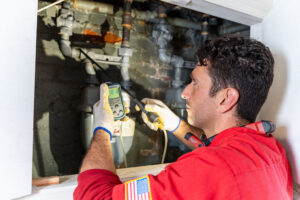
During inspections, licensed plumbers evaluate valves for accessibility, condition, and signs of deterioration.
6. Appliance Connector Problems
Flexible appliance connectors eventually wear with age.
Moving an appliance, remodeling a kitchen, or replacing equipment without properly inspecting connectors can create unnecessary risk.
Appliances commonly connected to gas include:
- Ranges
- Dryers
- Water heaters
- Boilers
- Furnaces
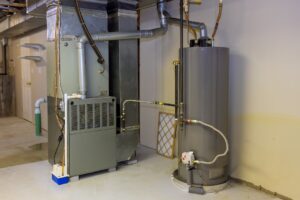
7. Aging Boiler and Water Heater Connections
Boilers and water heaters often operate for many years. During that time, surrounding gas piping may experience repeated heating and cooling cycles.
If your equipment is approaching the end of its expected service life, it may also be worthwhile to review our guide on how long water heaters last in Brooklyn homes.
8. Gas Piping That No Longer Meets Current Standards
Building codes change over time. While older installations were often compliant when originally installed, today’s safety standards may differ.
Whenever major renovations or gas work occur, portions of the system may require updates to satisfy current requirements.
Common Warning Signs Property Owners Should Never Ignore
| Warning Sign | Possible Cause |
|---|---|
| Rotten egg odor | Possible gas leak |
| Visible rust | Pipe corrosion |
| Hissing sound | Gas escaping |
| Higher gas bills | Leak or inefficient equipment |
| Gas service shutoff | Safety concern requiring inspection |
| Failed inspection | Gas piping deficiencies |
How Local Law 152 Helps Identify Problems
Many of these issues are exactly why New York City implemented Local Law 152 gas piping inspections.
Periodic inspections help identify visible concerns before they develop into larger safety issues.
Common findings may include:
- Corrosion
- Improper installation
- Deterioration
- Unsafe conditions requiring repair
- Areas needing additional evaluation
When Should You Call a Licensed Plumber?
You should never wait until a gas emergency occurs.
Consider scheduling an inspection if:
- Your building is older
- You notice visible corrosion
- Your gas bill has increased unexpectedly
- You smell gas
- Your building recently failed an inspection
- You purchased an older home
- Gas appliances have been added or relocated
If your building has already experienced a gas interruption, our guide on what to do after a gas shutoff in Brooklyn explains the restoration process.
How A Good Plumber Can Help
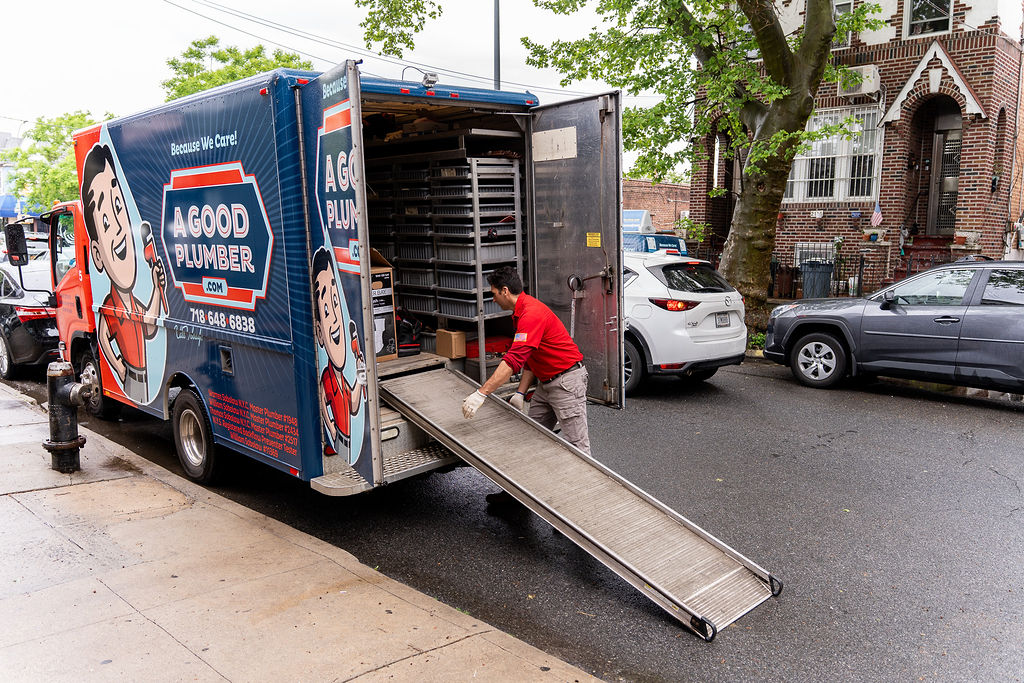
A Good Plumber works with homeowners, landlords, property managers, co-op boards, condo associations, and commercial property owners throughout Brooklyn.
Our services include:
- Gas piping inspections
- Local Law 152 inspections
- Gas piping repairs
- Gas leak investigations
- Violation correction
- Gas restoration support
Our licensed plumbers understand Brooklyn’s older buildings and help property owners keep their gas systems operating safely.
Final Thoughts
Older Brooklyn homes are full of history, but aging gas piping deserves careful attention. Routine inspections, prompt repairs, and proactive maintenance help reduce safety risks while keeping your property compliant with current requirements.
If you have questions about your building’s gas piping or need a Local Law 152 inspection, call (718) 648-6838 today to schedule an appointment with A Good Plumber.